Jon Boat for Sale? Read This Before You Buy (Tips Inside)

Jon Boat for Sale? Read This Before You Buy (Real-World Tips Inside)
So you’re eyeing that jon boat for sale and thinking, “Is this the move?” Here’s the deal: buying a jon boat isn’t rocket science, but it’s easy to screw up if you don’t know what to look for. I’ve seen guys grab the first cheap one they find, only to spend all summer fixing leaks and fighting with a trolling motor that barely runs. That’s not the dream.
Here’s the blunt answer block:
What do you need to know before buying a jon boat? Check the hull for damage, pick the right size for your crew and gear, and don’t pay extra for features you’ll never use. Think about how you’ll haul it, store it, and keep it running—because that’s where most headaches (and hidden costs) show up.
This guide is for the guy who wants real talk, not marina sales fluff. I’ll break down what actually matters—stuff like aluminum vs. fiberglass, what size makes sense, and the two things you should always check before handing over cash. Plus, I’ll share the maintenance shortcuts I wish I knew before I bought my first one.
If you want a jon boat that actually works for your fishing trips, family days, or hauling gear—read on.
Why Buying the Right Jon Boat Matters More Than Price

Skip the cheapest jon boat on Craigslist. That’s the blunt advice. It’s not about being fancy—it’s about not getting burned.
I learned this the hard way. My first jon boat? Looked like a deal. Price was right, paint looked okay from ten feet away. But I didn’t check the hull for soft spots or weld cracks. Didn’t ask about motor hours. That $1,200 “bargain” turned into $800 in repairs before I even got it on the water. Should’ve spent $400 more up front for a boat that wasn’t hiding problems.
Here’s the real answer: Hull condition and motor hours matter way more than the sticker price. If the hull’s beat up or the motor’s halfway to a rebuild, you’re buying someone else’s headache.
Let’s break it down:
- Common mistake: Chasing the lowest price.
You end up with a boat that leaks, a transom that’s soft, or a motor that dies at the ramp. Cheap boats are cheap for a reason.
- What actually matters:
- Hull: No cracks, no bad welds, no mystery patches. - Motor: Fewer hours is good, but maintenance records are better. - Trailer: If it’s rusted out, you’ll be stuck at home.
- Cost of a bad buy:
A used motor rebuild can run $1,000+. Hull repairs? Good luck finding someone who’ll touch it for less than $500. And you’ll never get that money back at resale.
And here’s the kicker—boats hold value when they’re cared for. Buy the right one, keep it clean, and you’ll get most of your money back when you upgrade. Buy the wrong one, and you’ll be explaining to your wife why the “cheap” boat cost more than a new one.
Verdict? Check the hull, check the motor, and pay for condition—not the lowest price tag. Your future self will thank you.
Sizing Your Jon Boat: Don’t Buy Too Small or Underpowered

Here’s the blunt answer: Go bigger than you think. Nobody ever says, “Man, I wish my jon boat was smaller.” But plenty of guys have stood at the ramp, gear in hand, wishing they had a few more feet and a couple more horses.
Most jon boats run from 10 to 20 feet. That 10-12 foot range? Fine for one person and a lunchbox on a calm pond. Add a buddy, a cooler, and a tackle box, and you’re pushing the limits. A 14-footer is the real “minimum” for two adults and gear. If you’ve got kids, a dog, or you want to bring more than one friend, 16 feet or more is where you’ll stop feeling cramped.
Horsepower matters just as much. There’s a reason most jon boats top out around 50 HP. Any more and you’re risking stability—these boats are flat-bottomed, not bass boats. But don’t go too low, either. A 12-footer with a 6 HP outboard will barely get on plane with two people. A 16-footer with a 25 HP? That’s the sweet spot for most guys fishing lakes and slow rivers.
Here’s the sizing checklist I wish I had before my first jon boat:
- How many people will you *actually* bring? Add one to your usual number.
- What’s your heaviest gear? Think coolers, batteries, trolling motors.
- Where will you use it? Calm ponds = smaller is fine. River current or big lakes = size up.
- Check the max HP and weight plate. Don’t exceed it, but get close.
Undersizing means you’ll be slow, wet, and frustrated. Every pound over capacity kills performance. If you’re debating between two sizes, get the bigger one. Your future self will thank you.
Features That Matter (And Those You Can Skip)
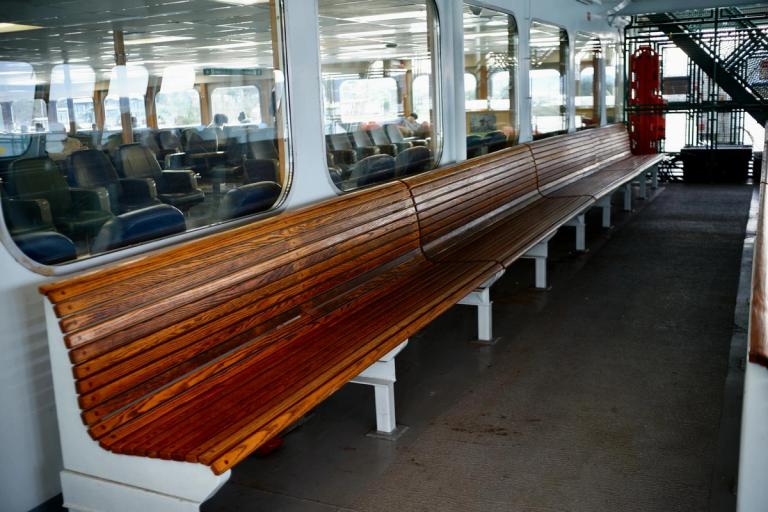
So here’s the answer up front: You want good vinyl seats, real storage, and a live well if you’re fishing. Skip the touchscreen GPS if you’re not running offshore. Don’t pay extra for built-in coolers or underwater lights unless you know you’ll use them every weekend.
Let’s break it down.
Must-haves: If you’re hauling the family, you need seats that actually hold up. Last season, I tried three different brands—only the mid-range vinyl didn’t crack in the sun. Cheap vinyl gets sticky, stains, and rips before you hit year three. If you only spend money on one upgrade, make it the seats. Your future self will thank you.
Storage is next. If you’re fishing, you want a real storage hatch that fits rods, life jackets, and the random junk that ends up on every trip. Those tiny “convenience” cubbies? Useless. I’ve seen guys spend $1,500 more for “integrated storage” that barely fits a tackle box. Get a boat with deep, drainable compartments.
For fishing, a live well isn’t optional. I skipped it on my first boat and spent half the day chasing dead bait around a bucket. If you even think you’ll fish, get the live well. It’s worth it.
Stuff that’s not worth the money:
- Built-in coolers: You’ll use your own Yeti anyway.
- Underwater LED lights: Fun for one night, never used again.
- Touchscreen electronics: Unless you’re charting the Gulf, the $120 Garmin does the job.
How to prioritize:
- Family days? Seats and shade.
- Fishing? Live well, rod storage, non-skid deck.
- Hauling tubes? Ski tow bar, more horsepower, skip the fancy stereo.
Blunt verdict: Don’t get sold on “features” you’ll never use. Spend on what keeps your crew comfortable and your days on the water hassle-free. If it doesn’t make the boat easier to clean, more fun, or actually safer, skip it.
Evaluating a Used Jon Boat: What to Check and What to Skip
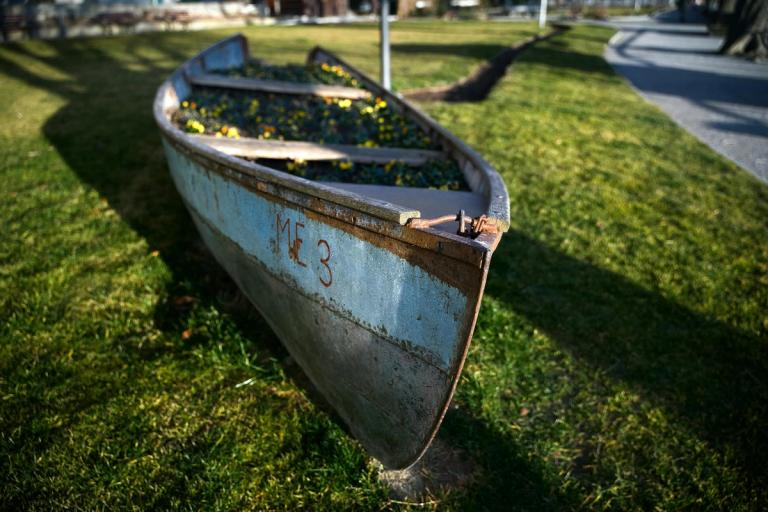
So here’s the blunt answer: You want a jon boat that’s straight, dry, and runs without drama. Dings and scratches? Fine. Weld cracks, soft floors, or a motor that sounds like a blender full of rocks? Walk away.
Let’s start with the hull. You’re looking for dents, not disaster. Most used jon boats have a few battle scars from river rocks or the ramp—no big deal. But if you see any cracks in welds or rivets, or spots where the metal feels soft under your thumb, that’s a red flag. Push down on the floor and the transom. If it flexes more than your old camping chair, skip it. Bonus tip: Look for signs of water staining inside. If the bilge area is rusty or there’s a weird smell, it’s probably been sitting wet—and that means hidden rot or corrosion.
Now the motor. Hours matter, but how it was treated matters more. Ask for service records. If the seller shrugs, assume it’s never been touched. Pull the cowling and check for oil leaks, chewed wires, or anything that looks “fixed” with duct tape. Squeeze the fuel bulb—if it’s soft or cracked, you’ll be replacing lines. Fire it up cold, not after it’s been running. Listen for knocking, coughing, or smoke that doesn’t clear up after a minute. Any of those? Not worth your time.
Some stuff is fixable. A dead battery, missing seat, or faded paint—no problem. But a cracked transom, warped hull, or a blown powerhead? You’ll spend more fixing it than buying a better boat. Don’t let a “great deal” turn into a driveway project that never leaves the driveway.
And here’s the quick checklist I wish I had the first time:
- Hull: Dents okay, cracks or soft spots not okay
- Transom: Solid, no flex
- Floor: No mushy spots
- Motor: Starts cold, no weird noises or smoke
- Steering/throttle: Moves smooth, no binding
- Wiring: Nothing melted or jury-rigged
- Registration/title: In seller’s name, matches hull number
If you only remember one thing: Small stuff you can fix. Big stuff, don’t bother. Your future self will thank you.
DIY Maintenance Basics to Keep Your Jon Boat Running Strong
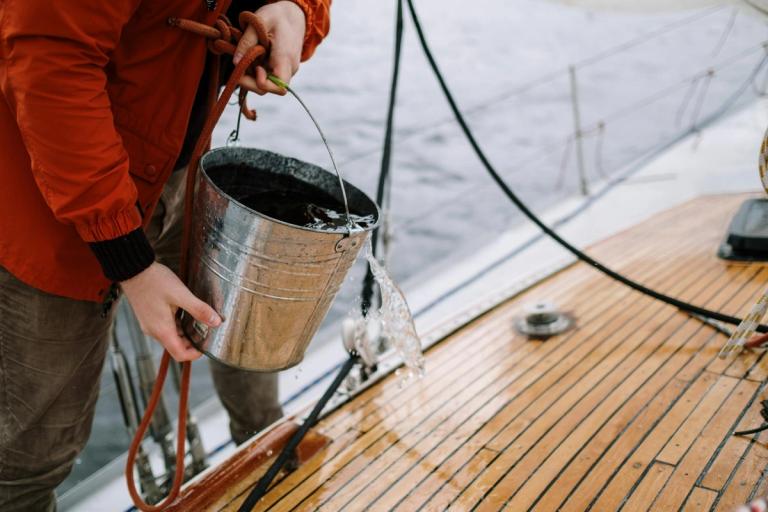
If you want your jon boat to last longer than your neighbor’s, don’t skip the basics. Regular cleaning, seasonal prep, and engine checks are the stuff that keeps you on the water, not stuck in the driveway fixing problems you could’ve avoided.
Quick answer block: Rinse your jon boat after every use, change the oil and check the fuel system every season, keep the hull clean and waxed, and don’t skip winterizing. Neglecting these basics means repairs that’ll cost you more than the boat’s worth.
Let’s break it down.
1. Rinse After Every Trip Mud, fish slime, and lake gunk don’t just look bad. They’ll eat at your paint and metal over time. Grab the hose as soon as you’re back at the ramp or driveway. If you fish saltwater—even once—flush everything. Salt is brutal. I learned the hard way: left a salty mess on the trailer bunks, and by spring, the bunks looked like Swiss cheese. Verdict: Rinse every time. Takes five minutes. Your future self will thank you.
2. Don’t Skip Seasonal Maintenance Winterizing sounds like a pain, but skipping it costs way more. Drain the water out of the engine and lines before the first freeze. Fog the engine if you store it for more than a month. Spring? Check for mouse nests, replace the plugs, and make sure nothing’s chewed. Last season, I skipped checking the bilge—found a mouse nest in April. Not recommended.
3. Engine Care: Oil, Fuel, Spark Oil changes aren’t optional. Every 50 hours or at least once a season. Use what’s in your manual, not what’s on sale at Walmart. Fuel? Add stabilizer before winter. Replace the fuel filter every spring. Spark plugs? If you can’t remember when you changed them, it’s time. I tried running “just one more season” on old plugs—boat ran like garbage and cost me a weekend fixing it.
4. Hull Care—Don’t Ignore Oxidation Oxidation is like ignoring your oil light. You’ll get away with it—until you don’t. Wash with a boat-safe cleaner (dish soap is for dishes, not boats), dry, and hit it with a wax twice a year. If you see chalky spots, that’s oxidation. Use a cleaner wax to get it off. Side-by-side: I skipped waxing one half of my jon last year. Guess which side faded?
5. Skipping Maintenance = Paying for Repairs Here’s the blunt truth: every shortcut you take now is a headache later. I’ve seen $200 carb cleanings, $500 hull repairs, and ruined weekends—all because someone skipped the basics. Do it right, do it yourself, and keep your boat out of the shop.
Finding Deals on New and Used Jon Boats Without Compromising Quality
Here’s the blunt answer: You’ll find the best deals on jon boats by looking everywhere—Craigslist, Facebook Marketplace, local bulletin boards, and actual dealers. But you’ve got to know what you’re looking at. Otherwise, you’re either overpaying or buying someone else’s headache.
I’ve bought two jon boats in the last ten years. First one was a steal from a guy who’d barely used it. Second one, I almost got burned—turns out “just needs a battery” actually meant “needs a new transom and wiring.” Lesson learned.
Where I’d start looking:
- Online classifieds: Facebook Marketplace is king right now. Craigslist is still decent. Set alerts for your area and be ready to move fast.
- Local sellers: Ask around at the ramp or bait shop. Sometimes the best deals never get posted online.
- Dealers: Good for new or lightly used boats, especially if you want a warranty. You’ll pay more, but you know what you’re getting.
Negotiating? Here’s the play:
- Check the hull for dents, cracks, and bad repairs. Flip the boat if you can.
- Look for extras—trailer, trolling motor, fish finder. Add up what those would cost new.
- Don’t be afraid to point out issues and ask for a lower price. “I’ll take it for $400 less and haul it away today” works more often than you’d think.
Red flags—walk away if you see these:
- Soft spots in the floor or transom
- Owner dodges basic questions (“when’s the last time it was in the water?”)
- Title issues or missing paperwork
- “Too good to be true” pricing—scammers love boats
Budgeting tip: Don’t blow your whole stack on the boat itself. You’ll need cash for registration, safety gear, maybe a battery or two. If you’re financing, watch the rate—some dealers push loans with crazy interest. Credit unions usually have the best rates for used boats.
Bottom line: If you wouldn’t be comfortable towing it home with your kid in the truck, don’t buy it. Your future self will thank you.
Jon Boat Ownership: More Than Just a Boat—It’s a Lifestyle
You’ll get more out of a jon boat than just fishing trips. It’s the one thing that actually gets your family off the couch and out on the water together. My kids remember the mornings we packed up before sunrise, not the afternoons spent on their tablets. And it’s not all about catching fish—sometimes it’s just drifting, skipping rocks, or letting the dog jump in. That’s the good stuff.
But here’s the truth: owning a jon boat isn’t all lazy Saturdays. You’ll spend a few hours every month scrubbing, tightening, fixing. The trick is not letting the maintenance pile up. Knock out a little every weekend—rinse off the grime after a muddy launch, check the trailer lights before you pull out. That way, you’re never stuck on a sunny Saturday with a busted latch or a dead battery. More time for fun, less time for swearing in the driveway.
And you’re not in this alone. There’s a whole crowd of folks at the ramp, on Facebook, or in your local bait shop who’ve seen every mistake you’re about to make. I’ve swapped launch ramp horror stories, traded tips on cheap hull cleaners, and even borrowed a wrench from a guy I’d never met. That’s the kind of community you don’t get from a jet ski.
Doing the work yourself? It pays off. Every time you fix something, you know your boat a little better. You trust it more. And when your neighbor walks by and says, “Looks good, man,” you feel it. That’s pride you can’t buy.
Conclusion
So here’s the deal: don’t get hung up on the sticker price. I’ve seen guys brag about the “deal” they got, then spend twice as much fixing a rotted transom or chasing electrical gremlins. Hull, motor, and the stuff you’ll actually use—those are what matter. The rest is just noise.
And size matters, but not the way the sales guy says. Get what fits your crew and the water you’ll actually run. Too small and you’ll hate it. Too big and you’ll never want to launch it. Be honest with yourself—last thing you want is buyer’s remorse before your first season’s over.
DIY maintenance? It’s not rocket science. But skip it, and you’ll pay for it—trust me. A half-hour with a grease gun and a hose now beats a haul-out bill later.
Used or new, it all comes down to knowing what to check and what to skip. Don’t waste time on shiny cupholders—crawl under the hull, squeeze the foam, and yank on the wiring.
In the end, it’s about getting out there and making memories. The right jon boat is the one that keeps you on the water, not in the shop.
If you’re shopping, grab this checklist, check out my go-to maintenance tips, and save yourself a few headaches. Your future self will thank you.
---
FAQ
Is the hull the front of a boat?
No, the hull is not just the front of a boat. It refers to the entire body or frame of the boat that sits in the water. The hull includes the bottom, sides, and deck, providing buoyancy and structural integrity.
What are the two types of boat hulls?
The two main types of boat hulls are flat-bottom and V-shaped hulls. Jon boats typically have flat-bottom hulls, which offer stability in calm waters and shallow drafts. V-shaped hulls are better for cutting through waves and rougher water.
How do I know if a jon boat is the right size for me?
To determine the right size jon boat, consider how many people you'll typically carry, the weight of your gear, and the water conditions where you'll use it. Generally, a 14-foot jon boat suits two adults with gear, while 16 feet or more is better for families or extra passengers. Also, check the boat's maximum horsepower and weight capacity.
What basic maintenance should I do after every time on the water?
After every trip, rinse your jon boat thoroughly to remove mud, fish slime, and saltwater residue. This prevents corrosion and keeps the hull and motor in good shape. Regular cleaning and inspection help avoid costly repairs down the line.
Can I buy a used jon boat without a professional inspection?
While it's possible, it’s risky to buy a used jon boat without a professional inspection. A thorough check of the hull, motor, wiring, and structural components can uncover hidden issues that might cost you later. If you’re confident in your knowledge, use a detailed checklist, but when in doubt, get a professional opinion.
Frequently Asked Questions
What should I look for when buying a jon boat?
⌄
How do I determine the right size jon boat?
⌄
What maintenance is required for a jon boat?
⌄
Is it safe to buy a used jon boat without inspection?
⌄
What are the advantages of a flat-bottom hull?
⌄
Related Articles
Keep reading with more practical boat owner guides.
Mar 26, 2026
10 Essential Tips for Maintaining Your Boat All Season Long
Discover 10 essential tips to keep your boat in top shape all season long—without breaking the bank or sacrificing your weekends.
Mar 26, 2026
Boat Insurance Basics: Straight Talk for Hands-On Owners
Discover essential boat insurance insights for DIY owners, covering what you need to protect your investment and avoid costly mistakes.
Mar 26, 2026
Why a Pontoon Boat Is the Best Bet for Family Fun
Discover why pontoon boats are perfect for family fun—spacious, safe, and easy to maintain for all your boating adventures.
Try Premium Boatcare
Turn insights into action with a faster workflow.
Get Started Free