Boat Insurance Basics: Straight Talk for Hands-On Owners

Boat Insurance Basics: Straight Talk for Hands-On Owners
You’ve spent more hours scrubbing your hull than you care to admit. Changed your own oil, chased down that one electrical gremlin in the dash, and wiped down every inch of vinyl before winter. So here’s the part nobody talks about: you might know your boat inside and out, but when it comes to insurance, you’re probably guessing. Most owners end up with whatever policy the marina or the dealer suggested—cheapest premium, hope for the best, fingers crossed nothing weird happens.
But here’s the thing. Boat insurance isn’t like car insurance. There’s fine print that’ll trip you up if you’re not paying attention. And the stuff that actually matters for hands-on owners—the folks who care about their boat, their gear, and their weekends—usually gets buried in the legalese.
So this post? No fluff, no scare tactics. Just straight talk about what boat insurance actually covers, what you should look for if you’re the kind of person who does your own maintenance, and the rookie mistakes that’ll cost you later. You’ll walk away knowing how to keep your boat, your gear, and your family’s Saturday plans safe—without overpaying for stuff you don’t need. Your future self will thank you.
What Boat Insurance Actually Covers: The Basics You Can’t Skip

Liability coverage sounds good on paper. But it’s really just the legal bare minimum. Yes, it’ll cover you if you accidentally back into someone at the ramp or your kid’s friend slips and takes a dive on the swim platform. But when it comes to the boat itself—your actual investment—it’s like wearing a raincoat in a hurricane. You’re still going to get soaked.
So, hull coverage is what most folks think of next. This is the piece that pays for damage to your boat if you hit a rock, scrape a piling, or get caught in a hailstorm that turns your bow into Swiss cheese. It’s the difference between a $7,000 repair bill and a $500 deductible. But—and here’s the kicker—hull coverage doesn’t mean your fishing rods, wakeboards, or that $400 Yeti cooler are protected. Those are “personal property,” and unless you specifically add them, they’re on their own.
And then there’s the stuff nobody talks about until it’s too late. Your trailer? Not always covered by your boat policy—sometimes it’s your auto insurance, sometimes it’s not covered at all. That fancy fishfinder you installed last spring? If it’s not listed, it might as well be invisible to the insurance company. Emergency services—like towing you back to the dock when your battery dies at sunset—usually need to be added as “on-water assistance.” Otherwise, you’re paying out of pocket, and trust me, the marina’s tow rates make Uber surge pricing look generous.
Here’s where the “liability-only” crowd gets burned. You save a few bucks a month, sure. But if a storm tosses your boat off the lift, or a thief grabs your gear, you’re on the hook for every penny. I learned this the hard way when a buddy’s boat got sideswiped at the storage yard—his “cheap” policy didn’t cover a dime. He’s still grumbling about it two summers later.
Bottom line: If you care about your boat, your gear, and your Saturday mornings on the lake, liability-only isn’t enough. Comprehensive coverage costs more, but it actually does the job.
---
What does boat insurance usually cover? (Direct Answer)

- Liability: Injuries or damage you cause to others
- Hull/Physical Damage: Repairs if your boat is damaged
- Personal Property (optional): Gear, electronics, and personal items—only if you add it
- Trailer & Equipment (sometimes): Check your policy—often separate
- Emergency Services (optional): Towing, fuel delivery, jump starts
---
FAQ: Boat Insurance Basics
Q: Does boat insurance cover my trailer? A: Sometimes. Some policies include trailers, others don’t. Check your paperwork or call your agent before you need a tow.
Q: What about my fishing gear and coolers? A: Only if you add personal property coverage. Otherwise, they’re not included.
Q: Is liability-only coverage enough? A: Liability covers other people, not your boat or your stuff. If you want repairs or theft covered, you need more than the minimum.
Q: Does insurance pay for towing if my boat breaks down? A: Only if you’ve added emergency assistance. Otherwise, you’re paying the marina’s rates.
Q: Why do people skip comprehensive coverage? A: It’s cheaper upfront. But when something goes wrong, you’ll wish you’d spent the extra $15 a month. Your future self will thank you.
Why Hands-On Owners Need More Than Just Hull Insurance
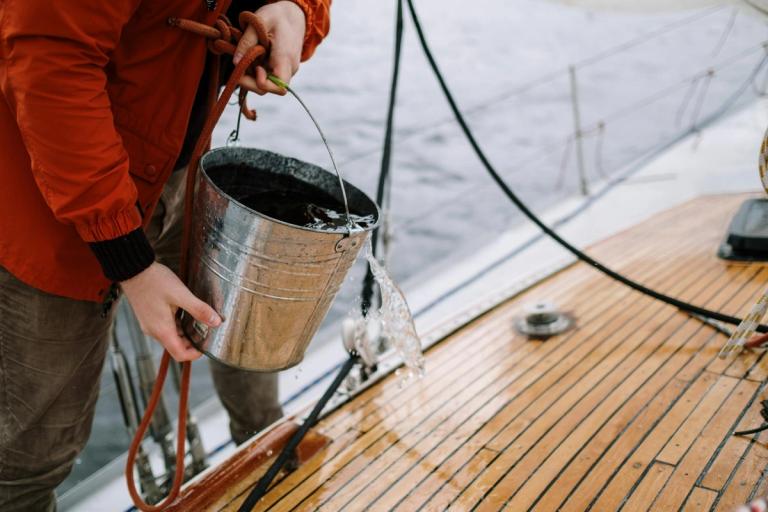
Here’s the thing: you can be the person who scrubs their hull every Saturday and still get blindsided by something you can’t fix with elbow grease. DIY maintenance knocks down risk. It doesn’t erase it. I learned that the hard way when a freak hailstorm dented my boat cover and fried the fishfinder. Insurance bailed me out. My shop towels didn’t.
And it’s not just about the hull. Think about all the stuff you haul on board—rods, tackle, the kid’s wakeboard, even that $400 Bluetooth speaker your spouse “let you” buy. Standard hull insurance? Covers the hull. That’s it. You want coverage for electronics, gear, and family belongings, you need the right policy. Otherwise, you’re explaining to your 8-year-old why her iPad’s now a $300 paperweight.
Resale value is another one. You keep your boat clean, waxed, and running smooth because you know someday you’ll want top dollar. But let’s say a thief grabs your chartplotter or a fire torches the cabin. If you’ve only got bare-bones coverage, you’re eating those losses. Gaps in coverage = money out of your pocket at resale. Ask me about the time I had to “negotiate” with a buyer over a missing VHF radio. Not fun.
So, insurance isn’t just about the boat—it’s about the whole family setup. You’re protecting the weekends, the gear, and the memories. The last thing you want is a blown speaker or lost tackle turning into a family meltdown at the dock.
Direct Answer: What coverage do hands-on boat owners actually need?
- Hull insurance for damage and collision
- Add-ons for onboard gear (electronics, fishing equipment, water toys)
- Personal property coverage for family belongings
- Liability and medical in case someone gets hurt
FAQ

Do I really need more than basic hull insurance if I do my own maintenance? Yep. Maintenance helps, but it doesn’t stop theft, weather, or accidents.
Does insurance cover my fishing gear and electronics? Only if you add it. Standard policies usually skip the extras.
Will insurance help my resale value? Yes—if you avoid uncovered losses, you keep your boat (and its gear) in sellable shape.
What about my kid’s stuff? If it’s on the boat and you’ve got personal property coverage, you’re good. Otherwise, you’re buying another iPad.
Underwriting Demystified: What Insurers Look For Before Saying Yes
Underwriting isn’t some secret club where people in suits play darts with your application. It’s more like when you let a buddy borrow your boat—you’re running through a mental checklist. Can they handle it? Do they bring it back with a full tank or smelling like a bait shop? That’s what insurance companies do, just with more paperwork and fewer coolers.
So, first thing—they care about your boating experience. If you’ve been running powerboats for years, you’ll usually pay less. You’re less likely to turn your bowrider into a lawn ornament at the ramp. But if you’re brand new, or you’ve only driven pontoons and now you want to insure a twin-engine center console, expect the “new driver” tax. They’ll ask for your boating resume—where you’ve been, what you’ve driven, and how many times you’ve ended up on YouTube for the wrong reasons.
Your operator profile isn’t just about seat time, either. Age matters. Most claims come from folks under 25 or over 70. If you’re in that Gen X sweet spot, you’re golden. And if you’ve taken a safety course? That’s like showing your buddy you actually read the manual before firing up their chainsaw. It helps.
Now, credit score. I know, it feels weird. But insurers look at your credit because, statistically, folks who pay bills on time also file fewer claims. It’s not personal—it’s math. A 2022 study showed drivers with “excellent” credit paid 25% less for boat insurance than those with “fair” credit. So, pay off that Home Depot card before shopping for coverage.
Boat usage is another biggie. If you’re just running the lake with your kids on weekends, that’s the lowest risk. Start renting it out or running fishing charters, and you’re in a whole new category—more risk, higher premium, sometimes totally different policy. They want to know if it’s your family’s summer fun or your side hustle.
And if you own the boat in your own name, that’s straightforward. But put it in an LLC or trust, and now you’re playing by business rules. The insurer wants to know who’s actually using the boat and why. Sometimes, they’ll want extra paperwork, sometimes they’ll just say no. If you don’t have a good reason for the entity, skip the headache.
---
What do insurers check before approving boat insurance?
Direct answer, scannable steps:
- Your boating experience and safety history
- Your age and operator profile
- Your credit score
- How you use the boat (recreational, charter, commercial)
- Who owns the boat (individual vs. business/entity)
---
FAQ
Q: Does taking a boating safety course lower my insurance? A: Yep. Most insurers knock off 5–10% if you show proof.
Q: Will bad credit stop me from getting insured? A: Usually not, but it can make your premium sting.
Q: Can I insure my boat if I put it in an LLC? A: Sometimes, but it’s more hassle and not always worth it unless you’re running a business.
Q: Does it matter if I rent my boat out a few weekends a year? A: Yes. Even occasional rental bumps you into “commercial use,” and most standard policies won’t cover that. Tell them upfront—your future self will thank you.
Balancing Coverage and Cost: Avoiding Overpaying Without Getting Burned
Don’t pay for coverage you’ll never use. That’s the whole game. Boat insurance folks love to bundle in stuff like “emergency towing up to 100 miles” or “fishing gear replacement,” but if you’re the person who keeps your boat dialed in, those extras are like paying for heated seats in July. I’ve had agents try to upsell me on “fuel spill liability” for my 22-footer that’s never left the lake. Save your money for stuff you’ll actually use—like a hull cleaner that doesn’t smell like a chemistry set.
Here’s what matters for powerboat owners who take care of their ride: hull coverage, liability, and maybe personal effects if you’re hauling a lot of gear. Skip the “trip interruption” coverage unless you’re trailering cross-country every summer. If you’re the person who’s out there every weekend, wrench in hand, you’re already doing half the insurer’s job for them. They know it, too—DIY maintenance cuts claims by 30% according to BoatUS. Use that when you’re talking to them.
Deductibles are where you can get clever. A higher deductible drops your premium, but don’t get cute and set it so high you’ll hate yourself if you actually have to file a claim. For most folks, $500–$1,000 is the sweet spot. That’s what I run. If you set it at $2,500 to save $40 a year, you’re rolling the dice with your own wallet. Not worth the anxiety.
Shopping around? Good. But don’t fall for the “first-year discount” trap. Some insurers drop the price the first year, then jack it up 20% at renewal. Ask them straight up: what’s the renewal rate? And watch for “free” extras—they’re almost never free. If you don’t know what an add-on does, you don’t need it. I once had a quote with “uninsured boater property damage.” My lake has 12 boats on it, and I know half the owners by name. Hard pass.
Bottom line: Get what you actually need, skip the fluff, and don’t be afraid to walk away if it feels padded.
---
How do I avoid overpaying for boat insurance?
Direct answer: Review your current policy line by line, drop extras you don’t use (like towing or fishing gear), pick a deductible you could actually pay in an emergency, and always get at least two quotes before you sign.
Steps:
- List what you actually need covered (hull, liability, gear).
- Ask about every add-on—if you don’t use it, drop it.
- Choose a deductible that balances premium savings with what you can afford.
- Shop at least two insurers and compare renewal rates, not just first-year deals.
- Say no to “free” extras unless you’d pay for them anyway.
FAQ
What boat insurance add-ons are usually not worth it? Stuff like “trip interruption,” “emergency towing,” or “fishing gear replacement” often aren’t worth it for most recreational powerboat owners who stay close to home and maintain their own boats.
Does raising my deductible actually save me money? Yes, but only if you don’t set it higher than you could comfortably pay if something happens. $500–$1,000 usually makes sense.
Should I bundle my boat insurance with my home or auto? Sometimes, but only if the final price is better and the coverage isn’t watered down. Bundles aren’t always a deal—do the math.
How often should I shop my boat insurance? Once a year, before renewal. Prices and offers change, and loyalty doesn’t always pay.
Specialized Coverage Options: When You Need More Than the Basics
If you’re using your boat for more than the usual family tubing run or Saturday fishing trip, you’re going to want to look past the “basic” insurance. That’s the takeaway. I learned the hard way last summer when my neighbor started chartering his bowrider for sunset cruises and found out his regular coverage didn’t mean squat once money changed hands. Charter boat insurance is a whole other animal. The second you take paying passengers, your risk (and liability) goes up. Regular policies don’t cover business use—so if you’re thinking about offsetting the slip fees with a few charters, check your policy before you end up footing the bill for someone else’s bad back.
Now, let’s talk gear. Watersports equipment and personal property coverage sounds boring, but if you’ve got $900 in wakeboards, a fancy fish finder, or even just the kids’ iPads onboard, it’s worth it. Standard policies usually cover “the boat”—not the stuff you toss in the storage hatch. Lost a tube overboard? Stolen tackle box at the ramp? Without the right add-on, you’re out of luck (and out of pocket).
And then there’s emergency services and towing. The marina wanted $400 just to pull my buddy’s boat off a sandbar last year. BoatUS or Sea Tow memberships can save your bacon, but some insurance add-ons do the same thing. If you run shallow, do a lot of solo trips, or just want to avoid that “wallet-lightening” phone call, this is the coverage I’d grab first.
So how do you know if you need any of this? Here’s the rule I use: If you’re using your boat for anything besides the standard family day on the lake—charters, serious watersports, overnight trips—get the extras. If you keep anything expensive onboard that you can’t stand to lose, add personal property. And if you’ve ever had to call for a tow, you already know the answer.
---
Direct Answer: Do I Need Specialized Boat Insurance Coverage?
If you charter your boat, store expensive gear onboard, or boat in places where you might need a tow, yes—you probably need specialized coverage beyond the basic policy.
Scannable Steps
- Ask yourself: Am I ever taking paying passengers?
- If yes, look at charter coverage.
- Do I bring expensive watersports gear or electronics?
- If yes, add personal property coverage.
- Am I boating in areas where I could get stuck or need a tow?
- If yes, get emergency towing coverage.
- If none of these fit, basic coverage is usually enough.
---
FAQ
Is charter boat insurance really necessary if I only do a few trips? Yep. The second you accept payment, your regular policy usually won’t cover you.
Does standard boat insurance cover my fishing rods and wakeboards? Not usually. You’ll want personal property or watersports equipment coverage for that.
Is towing coverage worth it if I boat on small lakes? If you can walk your boat back to the dock, maybe not. But if you’re ever out of sight of the ramp, it’s worth every penny.
Can I add these extras mid-season? Most of the time, yes. Call your agent and ask. Your future self will thank you.
Step-by-Step: Reviewing Your Current Policy Like a Pro
Here’s the short version: You’d be surprised what your boat insurance doesn’t cover until you need it. I learned that one the hard way after a dock rash incident last season. So, before you get blindsided, run through this checklist in the driveway—coffee in hand, policy printout on the hood.
Coverage Gaps Checklist:
- Hull damage (scrapes, chips, dock rash)
- Engine failure (is it covered if it’s not from a collision?)
- Trailer coverage (theft, damage, liability)
- Personal property (gear, coolers, electronics—yes, even the fish finder)
- Towing and roadside assistance (on water and on land)
- Liability limits (does it match your assets? If not, up it)
- Named operator only? (Can your buddy drive, or just you?)
Questions to Ask Your Insurer:
- What’s excluded that most owners assume is covered?
- How does a claim actually work—what documentation do you need?
- If I do my own maintenance, does that affect claims?
- Does usage (family, fishing, towing tubes) change my premium or coverage?
- How do upgrades (new electronics, re-powering) get added to the policy?
Documenting Your DIY Maintenance:
- Snap photos of receipts, oil changes, and any repairs—store them in a cloud folder
- Keep a simple log (date, work done, parts used)
- Save before-and-after shots of upgrades or fixes
- Note hours and usage patterns—shows you’re not neglecting the boat
When to Update Your Policy:
- After any major upgrade (new engine, electronics, trailer swap)
- If you start using the boat differently (more family trips, new marina, longer trips)
- Annually—just like changing the smoke detector batteries, review it every spring before launch
---
How do I review my boat insurance policy the right way?
- Print your policy and highlight anything you don’t understand.
- Run through the coverage gaps checklist above.
- List out your usual boating habits and upgrades since last year.
- Call your agent and ask the blunt questions—don’t assume anything.
- Update your policy after any big changes, not just at renewal.
---
FAQ
What’s the most common gap in boat insurance? Stuff like engine breakdowns (not caused by collision) and personal property loss. Most policies skip these unless you add them.
Does DIY maintenance void my coverage? Not if you document it. Insurers mostly care that you’re not neglecting the boat. Keep receipts and photos.
How often should I review my policy? Once a year, or after any upgrade or big change in how you use the boat. Your future self will thank you.
Conclusion
So here’s the bottom line: liability coverage is the legal bare minimum, but it’s not saving your boat, your gear, or your summer plans if things go sideways. I learned that the hard way after a dock mishap last season—insurance covered the other guy’s piling, not my cracked swim platform. That was a fun call to the spouse.
And the “right” insurance? It’s not always the one with the lowest premium. It’s the one that fits how you use your boat—DIY repairs, family weekends, all of it. If you’re the person who actually reads the fine print (or at least tries), you’re already ahead of half the folks at the ramp.
Understanding how underwriting works is like knowing what’s under your engine cover. More knowledge, fewer surprises. Ask questions. Don’t let the adjuster be the first person to explain your policy.
Review what you’ve got. Use the checklist below if you want a shortcut. Your future self—and your wallet—will thank you.
---
Direct Answer: How do I make sure my boat insurance actually covers what I care about?
- Read your policy for what’s excluded—not just what’s included.
- Check if your gear, trailer, and personal effects are listed.
- Ask your agent about agreed value vs. actual cash value.
- Match liability limits to your real-world risk (not just the state minimum).
- Review annually, especially after upgrades or big life changes.
---
FAQ
Q: Does boat insurance cover my fishing gear and electronics? A: Not always. Some policies exclude personal effects or cap coverage at a few hundred bucks. List high-value gear separately.
Q: Will my policy cover family or friends driving my boat? A: Usually, but not always. Some policies limit coverage to named operators. Double-check before handing over the keys.
Q: How often should I review my boat insurance? A: At least once a year, and any time you upgrade your boat, add gear, or change how you use it.
---
Boat Insurance FAQ (People Also Ask)
How much is insurance on a $30,000 boat? Insurance costs vary based on coverage, location, and boat type, but for a $30,000 boat, expect premiums typically ranging from $300 to $600 annually depending on your policy and risk factors.
What are the four types of marine insurance? The four main types of marine insurance are Hull Insurance (covers physical damage to the boat), Liability Insurance (covers injuries or damage to others), Personal Property Coverage (for gear and electronics), and Protection & Indemnity (covers legal liabilities).
Does AAA offer boat insurance? AAA offers boat insurance in many states, often bundled with auto or home policies. Availability and coverage options vary, so check with your local AAA office for details.
What coverage do DIY boat owners really need? DIY boat owners need hull coverage for physical damage, liability insurance, and personal property coverage to protect gear and electronics. Emergency services coverage can also be valuable for on-water assistance.
How does my boating experience affect my insurance premium? More boating experience and safety training usually lower your premium, as insurers see experienced operators as lower risk. New or inexperienced boaters often face higher rates.
---
<!-- Meta title: Boat Insurance Basics: Straight Talk for Hands-On Owners Meta description: Cut through the noise—here’s what boat insurance really covers, what matters for DIY owners, and mistakes that cost you later. Protect your boat right. Slug: boat-insurance-basics-hands-on-owners Primary keyword: boat insurance Secondary keywords: marine insurance, boat coverage, insurance for boats, protecting your boat Author: [Add Author Name] Publish date: [Add Publish Date] -->
Frequently Asked Questions
How much is insurance on a $30,000 boat?
⌄
What are the four types of marine insurance?
⌄
Does AAA offer boat insurance?
⌄
What coverage do DIY boat owners really need?
⌄
How does my boating experience affect my insurance premium?
⌄
Related Articles
Keep reading with more practical boat owner guides.
Mar 26, 2026
10 Essential Tips for Maintaining Your Boat All Season Long
Discover 10 essential tips to keep your boat in top shape all season long—without breaking the bank or sacrificing your weekends.
Mar 26, 2026
Why a Pontoon Boat Is the Best Bet for Family Fun
Discover why pontoon boats are perfect for family fun—spacious, safe, and easy to maintain for all your boating adventures.
Mar 26, 2026
How to Find the Best Boats for Sale Near You: Hands-On Guide
Discover how to confidently find and inspect the best boats for sale near you with insights from real boat owners.
Try Premium Boatcare
Turn insights into action with a faster workflow.
Get Started Free